

First Sentence Fridays celebrates the prose and process of new books.
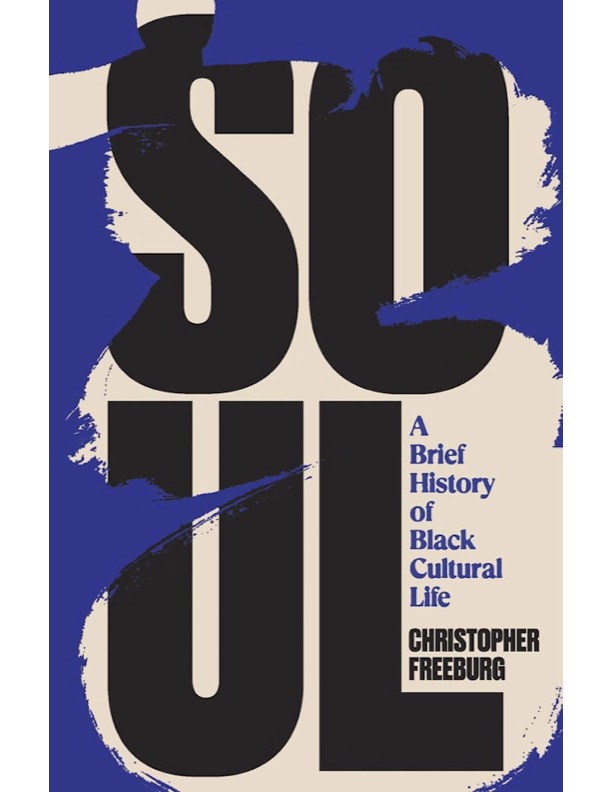
About Soul: A Cultural History of Black Life by Christopher Freeburg:
How did enslaved Africans turn America’s infamous failure into the greatest moral occasion of modern Western life? In this book, Christopher Freeburg answers that question with one word: soul. It was soul, Freeburg believes, which drove Black individuals and communities, grappling with horrific strife, to reimagine American life and equality in earnest.
Black cultural life contains a central and significant theme—a soul, or form of life—expressed in a variety of musical, religious, and political forms. Through the work and words of figures ranging from the poet Phillis Wheatley to President Barack Obama and musician Nina Simone to disco owner Jewel Thais-Williams, Freeburg shows how Black communities leaned time and again on soul and its four pillars: resonance, revelation, resilience, and transcendence. It is soul, what Freeburg calls a beautiful transaction between individual and community across time and place, that has allowed Black people over generations to transform feelings of defeat and alienation into moral courage and shared belonging.
Avidly: What’s the first sentence of your book? No cheating!
Christopher Freeburg: “What is soul?”
What’s something specific you remember about writing this sentence? Where were you? When in the book writing did you write it? Maybe tell us your favorite word in it?
I lost myself in the brown and white of a perfectly crafted cappuccino from Avionics Coffee. I didn’t know how to start the book so I began with a tough but frankly necessary question: What is Soul? (to me? to my readers?).
Now that it’s all written and done, what occurs to you about how your first sentence connects to the book as a whole? In the ideas, style, experience?
I wanted Soul to pull the reader into a haunting question, one they would realize they might not know how to answer. You could begin with common associations from Black music, or American life, or philosophy and theology. In moving through lives of the exemplary soulful people in my book, I want readers to see themselves and the communities they claim anew. That’s rediscovering soul to me.
Tell us one or two specific details about how you like to write: home/office/café, soundtrack or silence, favorite mug, favorite hoodie, preferred mode of pencil/pen/notebook/font/software?
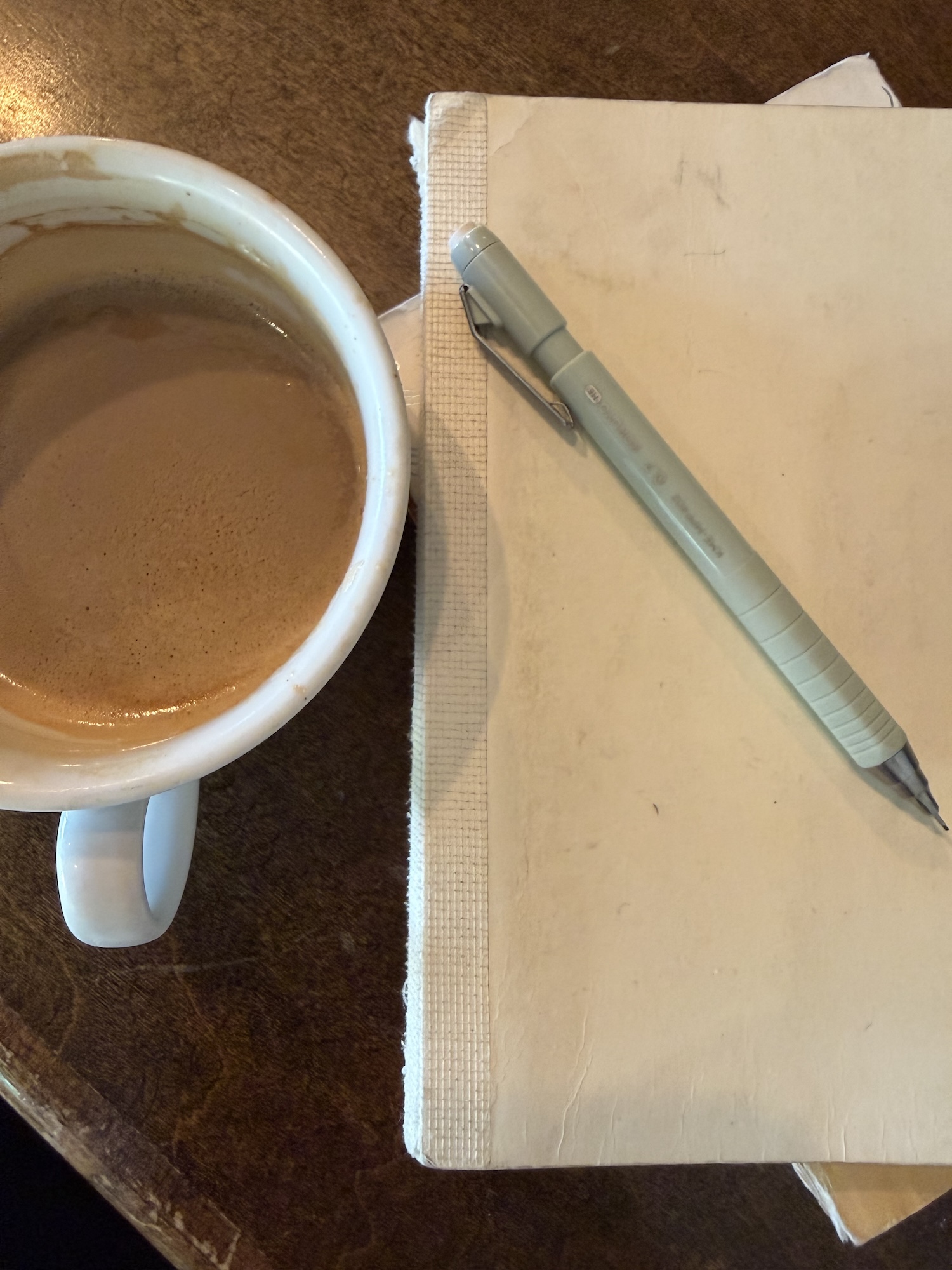
I’m a café writer. I pray; I listen; I put on music that helps me see rooms and outdoor spaces where we create memories. I wear big soft sweatshirts that make me feel like a walking warm pillow—a laptop directly front of me. I place a light green pencil and the journal that my sister Angela bought me within reach.
Tell us more about the light green pencil! Where is it from? Why light green?
The pencil was a Christmas gift from Angela. The color of it calms my thoughts and it feels light in my hand. It reminds me of my sis. I carry it, her kindness and care, with me always. Her story of service to others during for A.I.D.S patients is a key part of the SOUL book.
Tell us one other thing you worked hard on in this book and are proud of!
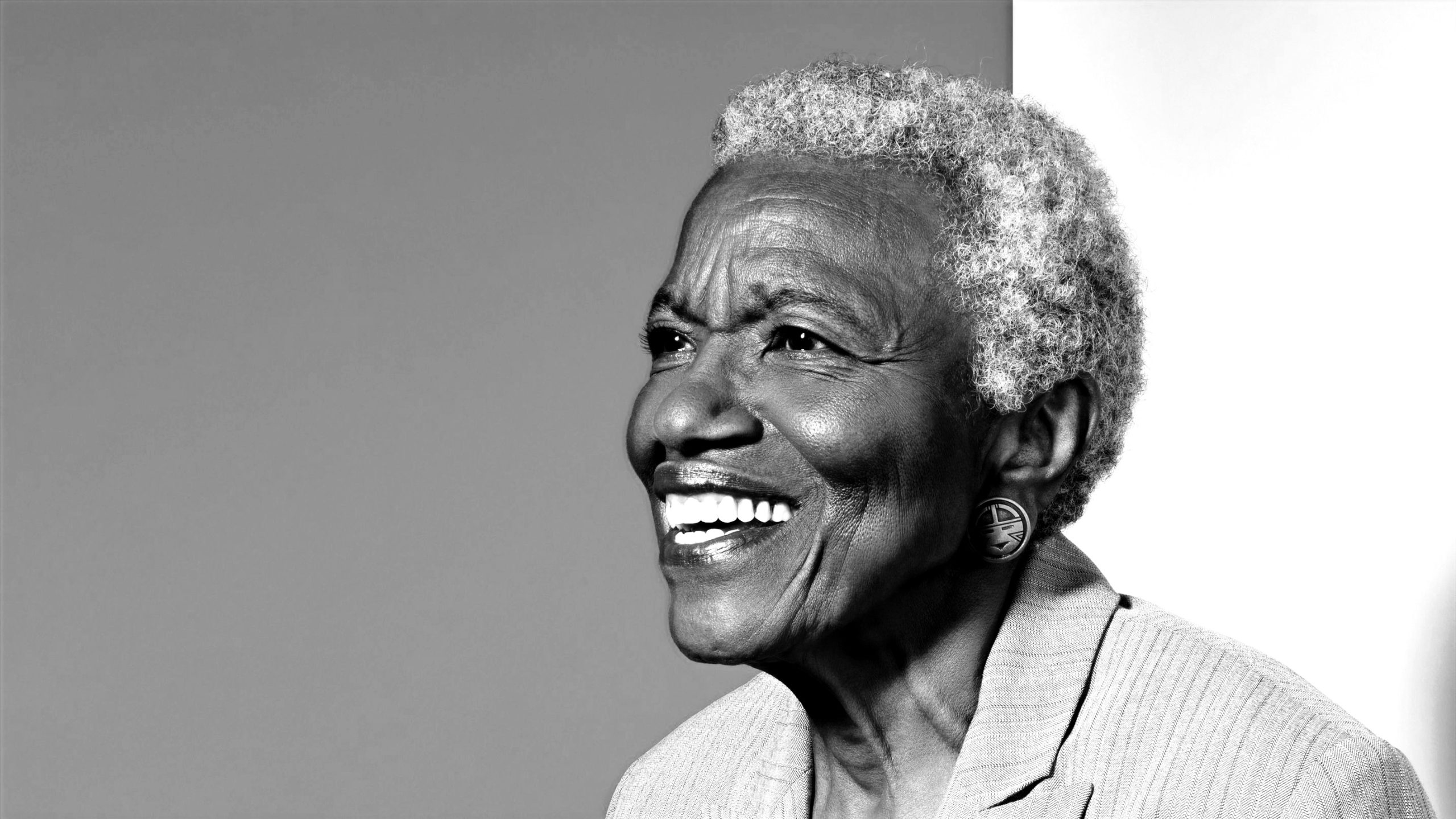
The “Transcendence” chapter was the hardest thing I ever wrote. At times, writing through it was very emotional. I’m pleased with the way it turned out—and the stories it tells of Jewel Thais-Williams—one of my heroes.
Is there a writing tic you wrestled in this book? How did you manage it? Or, is there a style/voice thing you really tried for?
Keeping the writing conversational and welcoming. I wanted the book to feel honest, like a real piece of me. I tried to paint my universe of Black culture through history, art, and family memory.
What’s your favorite sentence in the book? What specifically do you like about it?
“As we step into history, we find our way, stretching into new versions of ourselves that just yesterday we were unfit for.”
This sentence captures a sense of courage, that is also a kind of faith, to face tomorrow even though you don’t feel ready.
Share the love: what’s a first sentence written by someone else (any genre!) that you think is great?
“Ships at a distance have every man’s wish on board” – Their Eyes Were Watching God by Zora Neale Hurston
Christopher Freeburg is the Presidential Humanities and Social Sciences Chair in English at the University of Illinois, Urbana-Champaign. His most recent book was Counterlife: Slavery after Resistance and Social Death.
Order Soul Now From Yale University Press!

Discover more from Avidly
Subscribe to get the latest posts sent to your email.