

First Sentence Fridays is a series devoted to the prose and process of new books.
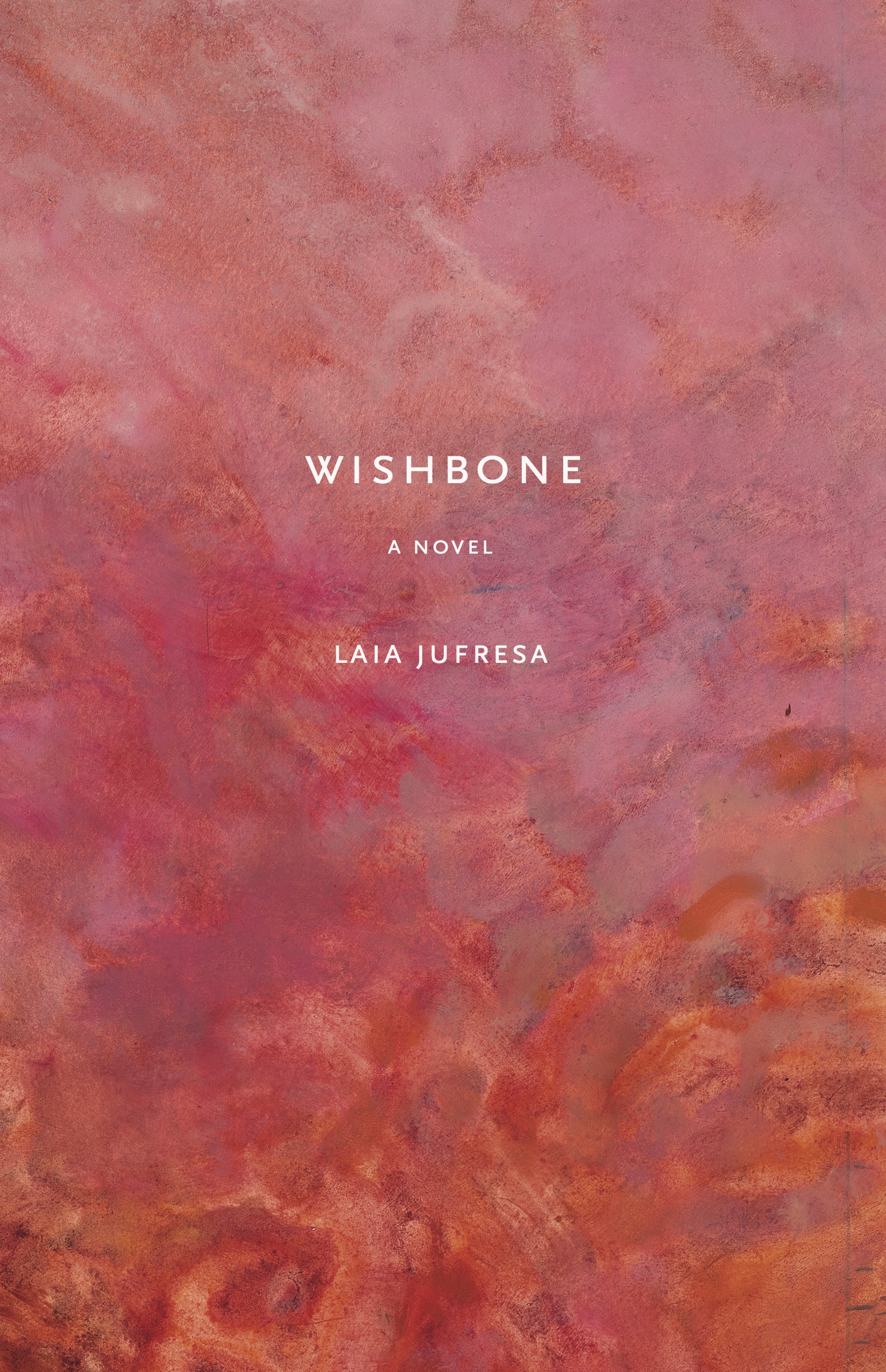
About Wishbone:
Tor Sima is the founder of the International Museum of Color in Oaxaca. Vica Luft is a secretary and single mother in Edinburgh. Disparate as their lives are, they mirror and inform one another in striking ways: an early trauma, a shared lover, an affinity for the octopus. Moving backward in time across two decades and seven cities, Wishbone quietly unravels what ties them together and what sets them apart. This is a captivating story about motherhood and friendship, art and commerce, selfhood and loss; about the parts of us that go missing when a loved one disappears, and the tentacular bonds forged by the families we create.
Laia Jufresa’s first book written in English, Wishbone is dreamy and precise, insightful and thrilling: a work of lived-in magic with a colorful cast of irresistible characters, a dazzlingly inventive structure, and a stunning final revelation.
Avidly: What’s the first sentence of your book? No cheating!
Laia Jufresa: “A gong bangs once, twice, three times.”
What’s something specific you remember about writing this sentence? Where were you? When in the book writing did you write it?
I do remember writing that sentence—a rarity, since I forget everything. I wrote that entire scene (which became the prologue of the novel) on a flight from Mexico City to Edinburgh. I had been to the Museo de Antropología that morning, and in the afternoon my friend Emiliano came to hang out at the airport with me. He’d missed most of my visit because he’d been camping at some waterfalls. I told him about the Museum of Colors I was creating for Wishbone; he told me about fascia and tensegrity. We invented some increasingly improbable exhibitions. Later, he had to come back to the airport when they wouldn’t let me through security with the snail sculpture I was carrying. He saved it and it now lives on my desk.
I never write on airplanes, but that night I did. I wrote the entire prologue in one fell swoop. A lot of that long day is in the book, actually: the museum, the bronze snail, the waterfalls, the fascia, Emiliano’s almost anachronistic capacity for conversation and delight. No one will ever know that origin story except me and him. And now you.
Can you share an early draft of this sentence? Or tell us about a favorite word, something you wrestled with, some way it changed?
The sentence never changed, but I considered getting rid of the whole prologue many times. Because aren’t prologues the thing you skip? Also, the first sentence of the first chapter is “Is that a camel?” which you could argue makes a stronger first impression. But in the end the prologue isn’t even called a prologue, and it earns its place by setting an ambiance of wonder and ambiguity for the entire story.
Is there a writing tic you wrestled in this book? How did you manage it? Or, is there a style/voice thing you really tried for?
I guess one tic would be writing in English. I normally translate my first drafts into Spanish as I rewrite. Only this book was eventually 600 pages long and I couldn’t fathom translating it, so I stopped wrestling with the tic and let the book be in English.
Tell us one or two specific details about how you like to write: home/office/café, soundtrack or silence, favorite mug, favorite hoodie, preferred mode of pencil/pen/notebook/font/software?
I’ve always written wherever, on a laptop. But I’m writing my next book by hand, with a Lamy pen, in a set of a specific kind of notebook. I don’t know if I became a professional, or just pretentious, or simply middle-aged. But it’s working so I don’t question it.
Tell us one other thing you worked hard on in this book and are proud of!
The structure! Wishbone starts in 2038 and ends in 1983. For the whole book you’re traveling backwards in time, yet you have a feeling of being propelled forward. I’m extremely proud of that. It’s solid, not gimmicky, it sustains the novel’s architecture and revelations but also allows for a very specific, very unique emotional experience.
And the characters! I’m moved by what imperfect yet lovable people they all turned out to be.
Now that it’s all written and done, what occurs to you about how your first sentence connects to the book as a whole? In the ideas, style, experience?
The last two sentences of the novel are a direct echo of the first. I spent a decade working on this book and “finished” it more times than I can count. But only when that echo settled did I feel like the beast was finally tamed, the piece finally a sphere. I like round things.
What’s your favorite sentence in the book? What specifically do you like about it?
I can’t quote it—it’d be a spoiler. What I like about it is how it brings everything in the book (even the title) home in five words.
Share the love: what’s a first sentence written by someone else (any genre!) that you think is great?
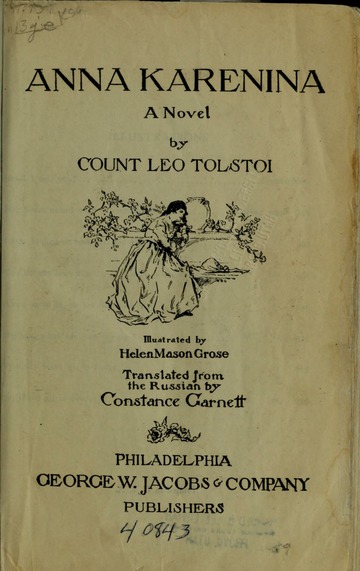
Anna Karenina’s! So good that I’ve never felt the need to read the rest of the book. I just stop there every time, possessed by the urge to ponder every family I’ve ever known.
Laia Jufresa is a Mexican author based in Edinburgh. She is the author of the widely acclaimed novel Umami and the memoir Veinte, veintiuno. In 2017 she was named one of the Bogotá39, a list of Latin America’s outstanding writers under forty. Her work has been translated into a dozen languages and appeared in McSweeney’s, Vogue, and El País, among others. Since 2020 she has led Escribir es un Lugar (writing is a place), a thriving online community that has helped over two hundred women establish a writing practice. Wishbone is her second novel.
Order Wishbone from Fern Books or Asterism! Out Now!
Discover more from Avidly
Subscribe to get the latest posts sent to your email.